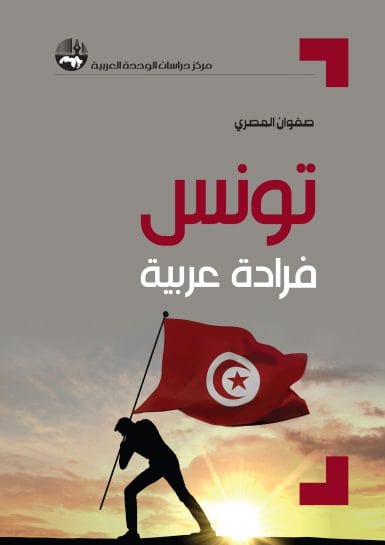
Safwan Masri explores the factors that shaped the country’s own experience of political transition. He recounts the long history of reforms Tunisia engaged in areas of education, religion, and women’s rights. Masri contends that the seeds of today’s relatively liberal and democratic society were sown long before the mid-19th century. For him, the Tunisian model cannot be replicated in other Arab countries, for the history of reforms it undertook placed it on a separate path from the rest of the region. The book further explores controversial matters related to the idea of identity, the gelatinous relationship between Islam and society, and the dominant role of religion in shaping educational, social and political agendas in the region. Based on interviews with dozens of experts, leaders, activists and ordinary citizens, and the gathering of a rich body of information, Masri offers a sensitive, and often personal account of the Tunisian experience that is crucial in understanding what makes the country an “anomaly”, distinct from the rest of the Arab world.

Add a review
You must be logged in to post a review.
You May Also Like

Armaments, Disarmament and International Security: Sipri Yearbook 2019
Price range: 10 $ through 16 $
Contradictions in International Law An Introductory Analysis
Price range: 8 $ through 13 $
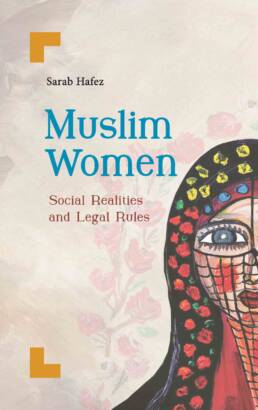
Muslim Women: Social Realities and Legal Rules
Price range: 9 $ through 14 $
The New Middle East: Protest and Revolution in the Arab World
Price range: 12 $ through 19 $
The State of the Arab Nation, 2017-2018: A Year of Hope and Risk
Price range: 5 $ through 8 $
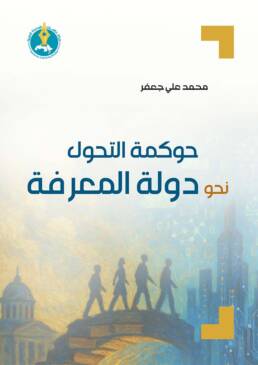
Governance of the Transition towards a Knowledge State
Price range: 10 $ through 10 $