


This book chronicles the experience of ISIS and analyzes the circumstances of its formation, the social and ideological background of its leaders, and the social, political and economic factors that led to more recruits joining this movement, especially the rising tide of sectarianism in the region and the deepening manifestations of poverty, unemployment and marginalization as an outcome of the destruction of national state institutions, particularly in Iraq and Syria. The book also deals with the movement’s experience in administering its own state, and explores the differences with other Salafi jihadist organizations such as «Al Qaeda». The book ends with an analysis of future possible outcomes and trajectories for ISIS.

Add a review
You must be logged in to post a review.
You May Also Like


Arab and Islamic Countries in the American Public Opinion Polls, 1935-2018/ Vol. II: Iraq
Price range: 5 $ through 8 $

Migration and Human Rights: Economy Cost ,Security Policy Bets, and Border Fencing
Price range: 7 $ through 11 $

Citizenship in GCC Countries
Price range: 8 $ through 13 $

The Logic of Power : An Introduction to the Philosophy of Order
Price range: 11 $ through 18 $
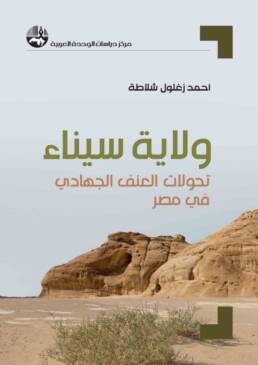
Sinai Province: Transformations of Jihadist Violence in Egypt
Price range: 7 $ through 11 $
Arab Approaches to Conflict Resolution: Mediation, Negotiation and Settlement of Political Disputes
Price range: 10 $ through 16 $