


Social Movements and Political Parties: Political Islam in Egypt, Tunisia, and Morocco
Price range: 8 $ through 16 $
Price range: 8 $ through 13 $
AuthorMohammad Ramadan BashandyDate24/10/2023No. of Pages368EditionFirstISBN9786144980361E-ISBN9786144980828
| Weight | 0,555 kg |
|---|---|
| Dimensions | 24 × 17 cm |
| Product Type | Electronic, Paper |
The Center for Arab Unity Studies published the book Social Movements and Political Parties: Political Islam in Egypt, Tunisia, and Morocco by researcher Mohammad Ramadan Bashandy.
This book aims to study the relationship between social movements and the political parties emerging from them, by applying it to the Egyptian Freedom and Justice, Tunisian Ennahdha, and Moroccan Justice and Development parties. It focuses on a special type of parties that emerged at the initiative of social movements, and investigates the reasons for their varying outcomes despite their similarity ideologically, in terms of the way they were created, and their involvement in a conflictual relationship with political systems. This book contributes to consolidating the concept of the Social Movement Party, and analyzes the reasons why the movement parties differ intellectually even though they belong to the intellectual framework of the Muslim Brotherhood. It also reveals the difference in organizational models depending on the extent to which they accept the idea of functional separation.
The book gains its importance from its attempt to explain the factors that push social movements to establish political parties, and to study a different type of party, define it, and determine its characteristics, which is useful in predicting the future behavior of similar parties. In addition to explaining the different organizational patterns of the relationship between social movements and the parties that emerged from within them. In addition to describing the interaction between social movements and parties, and its impact on the ability of those parties to develop institutionally.

Add a review
You must be logged in to post a review.
You May Also Like
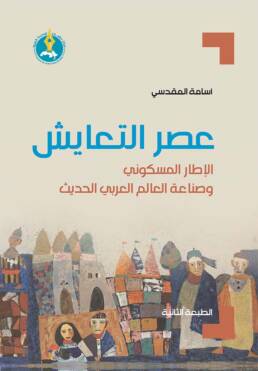
Age of Coexistence: The Ecumenical Frame and the Making of the Modern Arab World
Price range: 10 $ through 13 $

Islamists in Power: Muslim Brotherhood in Egypt
Price range: 7 $ through 10 $

Tunisia: An Arab Anomaly
Price range: 9 $ through 14 $
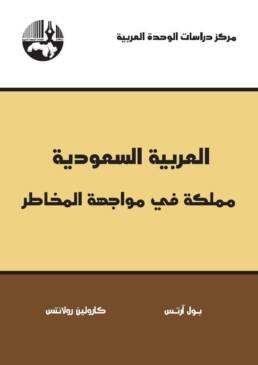
Saudi Arabia: A Kingdom in Peril
Price range: 5 $ through 7 $

Sustainabilty in the Gulf
Price range: 8 $ through 13 $

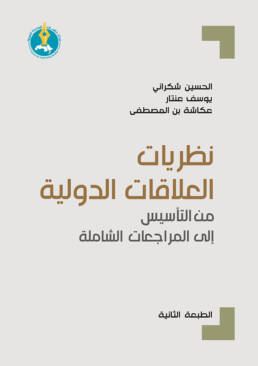
Theories of International Relations: From Elaboration to Global Critical
Price range: 10 $ through 13 $