


Orientalism and Hegemony: Colonial Discourse and the Domination over the Arab East
Price range: 10 $ through 14 $
Price range: 10 $ through 11 $
AuthorSami Dheibi, Introduction by: Sobhi HadidiDate28/2/2026No. of Pages224EditionFirstISBN978-614-498-471-0E-ISBN978-614-498-472-7
| Weight | 0,345 kg |
|---|---|
| Dimensions | 24 × 17 cm |
| Product Type | Electronic, Paper |
The Center for Arab Unity Studies has published the book Orientalism and Hegemony: Colonial Discourse and the Domination over the Arab East by Dr. Sami Dheibi.
Orientalists and liberal historians who defend Western centrism seek to exclude and diminish the civilized history of the Arab East by beautifying the Western colonial eras, with all their violence, exploitation, plunder, cultural destruction, and racism, in contrast to promoting a stereotypical image of an inferior East dominated by violence, tyranny, and barbarism. In contrast, postcolonial studies, including Arabic studies, played a prominent role in revealing the cultural, social and economic effects of colonialism, especially the studies of Edward Said, who had the most important role in revealing Western discourses about the East, and exposing the imperialist regimes that practiced colonial action. In the same context, an alternative or opposing view to Orientalism emerged in the Arab East, which the Egyptian researcher Hassan Hanafi calls “the science of Westernization,” through which Hanafi tried to develop these studies, after realizing the Western obsession with dominating the cultures of the Third World, in an attempt to provide a critical scientific reading of Western civilization.
In light of these two projects belonging to the Arab world, and because each of them is a project related to the subject of research, this book attempts to monitor Edward Said’s critical project and the foundation of postcolonial studies, and to examine the opinions of his most important critics, as well as to monitor Hassan Hanafi’s attempts to adapt his idea in the science of orientalism, and his most important failures according to his critics. The book not only adopts the same approach adopted by critics of Orientalism in early, middle and later stages, but it delves deeper into covering the greater part of the phenomena, elements and problems of Orientalism, emphasizing that crucial central dimension in the roles of Orientalism, namely the act of domination.

Add a review
You must be logged in to post a review.
You May Also Like
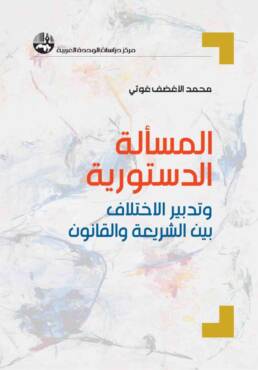
The Constitutional Issue and Managing the Difference between Sharia and Law
Price range: 10 $ through 32 $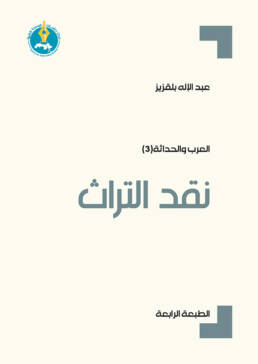
Critique of Heritage
Price range: 11 $ through 18 $
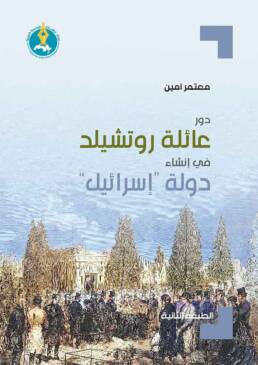
The Role of the Rothschild Family in the Establishing of the State of “Israel”
Price range: 10 $ through 13 $
Excavations in Memory in Retrospect
Price range: 5 $ through 10 $
The Arab Mind: An Ontology of Abstraction and Concreteness
Price range: 8 $ through 13 $
Lessons of Shahrazad
Price range: 8 $ through 13 $