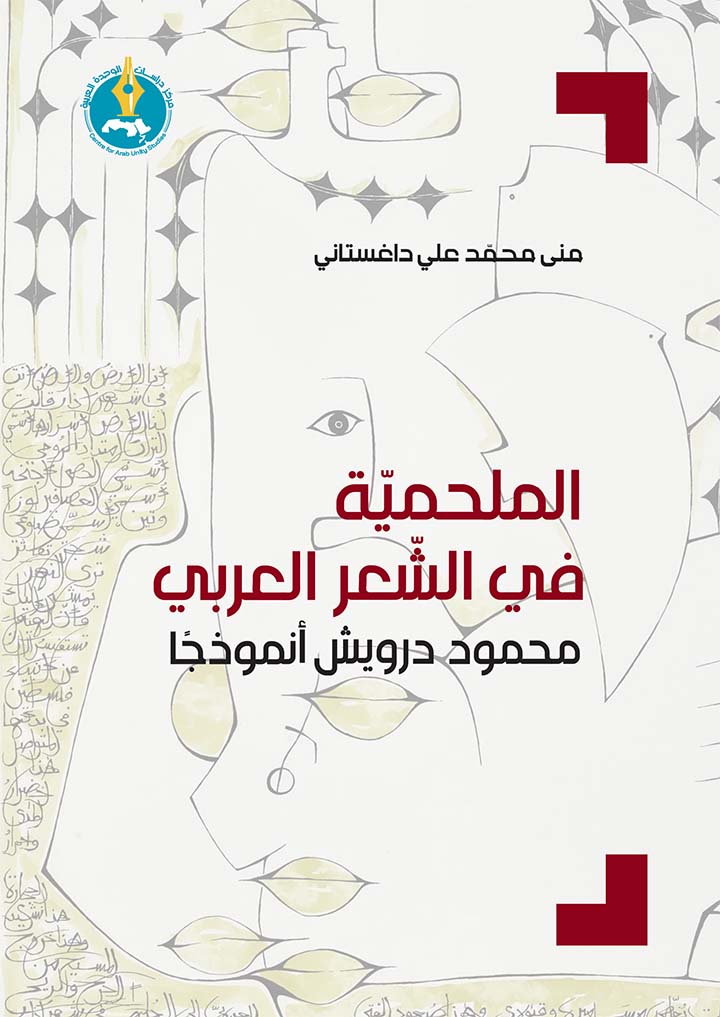
The Centre for Arab Unity Studies has published the book Epic Features in Arabic Poetry Mahmoud Darwish as a Model by Dr. Muna M. Ali Dagestani.
Despite the consensus among most researchers and critics that Arabic poetry lacks the epic in the true sense of the term, they agree on the presence of epic qualities in many long Arabic poems—both classical and modern. This is particularly evident in the work of Mahmoud Darwish, a prime example of a poet possessing exceptional artistic skill in thematic engagement and communication, whose poetry addresses human, political, and social themes that articulate the essence of the human condition and existence across history and societies.
This book explores one of the most significant poetic dimensions of Mahmoud Darwish’s work—an aspect rarely addressed in previous studies despite their abundance: the epic dimension. This dimension links the quest for identity (the self) through an encounter with the “Other” to the embodiment of human civilizational dialogue and the realization of its ultimate goals—freedom and peace. Darwish was a prominent advocate for universal human ideals and a champion against injustice—not only for his own Palestinian people but for peoples everywhere. Thus lies the importance of uncovering this epic dimension in Darwish’s poetry; he truly succeeded in bringing his cause to the attention of all nations and elevating his poetry to the realm of world literature.
The book sheds light on the prominent epic elements in Arabic poetry—both classical and modern—revealing their underlying nature, modes of manifestation, and various mechanisms, particularly within the poetry of national struggle and narratives of battle and heroism. It focuses especially on the work of Mahmoud Darwish, illustrating the impact of the Palestinian cause on deepening these epic qualities in his poetry and linking these epic dimensions to the artistic and aesthetic aspects of his poetic experience.
The significance of this research lies in its focus on the epic—a genre of great importance in the literary landscape with a rich history in the literatures of ancient civilizations (such as the Greeks, Romans, and Babylonians). It also addresses the scarcity of Arabic studies examining the epic’s manifestation and continuity in both classical and modern Arabic poetry, as well as the dearth of critical works analyzing epic elements within Arabic poetry—and specifically in the poetry of Mahmoud Darwish—despite the richness, diversity, temporal span, and qualitative depth of Darwish’s engagement with the Palestinian cause.

Add a review
You must be logged in to post a review.
You May Also Like
Roots of Culture in the Arab World
Price range: 30 $ through 48 $
Introduction to the Qur’an: Getting Acquainted with the Qur’an
Price range: 10 $ through 14 $
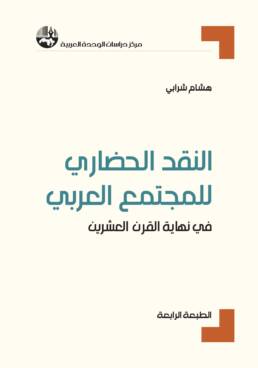
Civilizational Critique of the Arab Society at the End of the 20th Century
Price range: 5 $ through 8 $
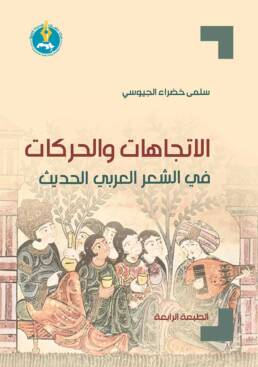
Trends and movements in modern Arabic poetry
Price range: 15 $ through 24 $
Problematics of Contemporary Arab Thought
Price range: 5 $ through 8 $
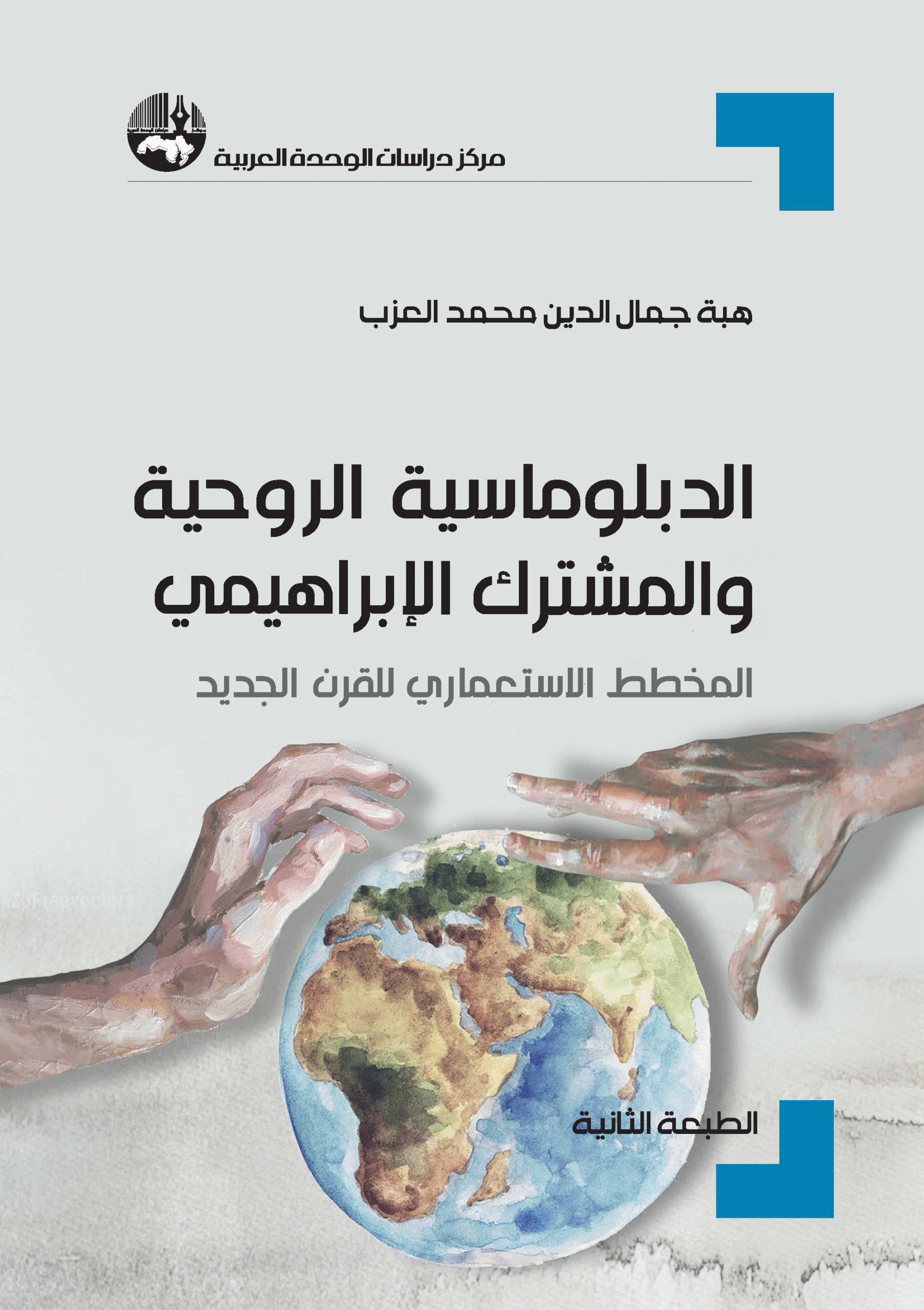
Spiritual Diplomacy and the Abrahamic Interfaith: Colonial Plan of the New Century
Price range: 7 $ through 11 $