


This book chronicles the experience of ISIS and analyzes the circumstances of its formation, the social and ideological background of its leaders, and the social, political and economic factors that led to more recruits joining this movement, especially the rising tide of sectarianism in the region and the deepening manifestations of poverty, unemployment and marginalization as an outcome of the destruction of national state institutions, particularly in Iraq and Syria. The book also deals with the movement’s experience in administering its own state, and explores the differences with other Salafi jihadist organizations such as «Al Qaeda». The book ends with an analysis of future possible outcomes and trajectories for ISIS.

Add a review
You must be logged in to post a review.
You May Also Like

Nationalism and Modernization: Studies in Nationalist Thought and the Process of Modernization in the Contemporary Morocco
Price range: 6 $ through 10 $

Arabism from the Perspective of Abdul Aziz Douri
Price range: 5 $ through 8 $
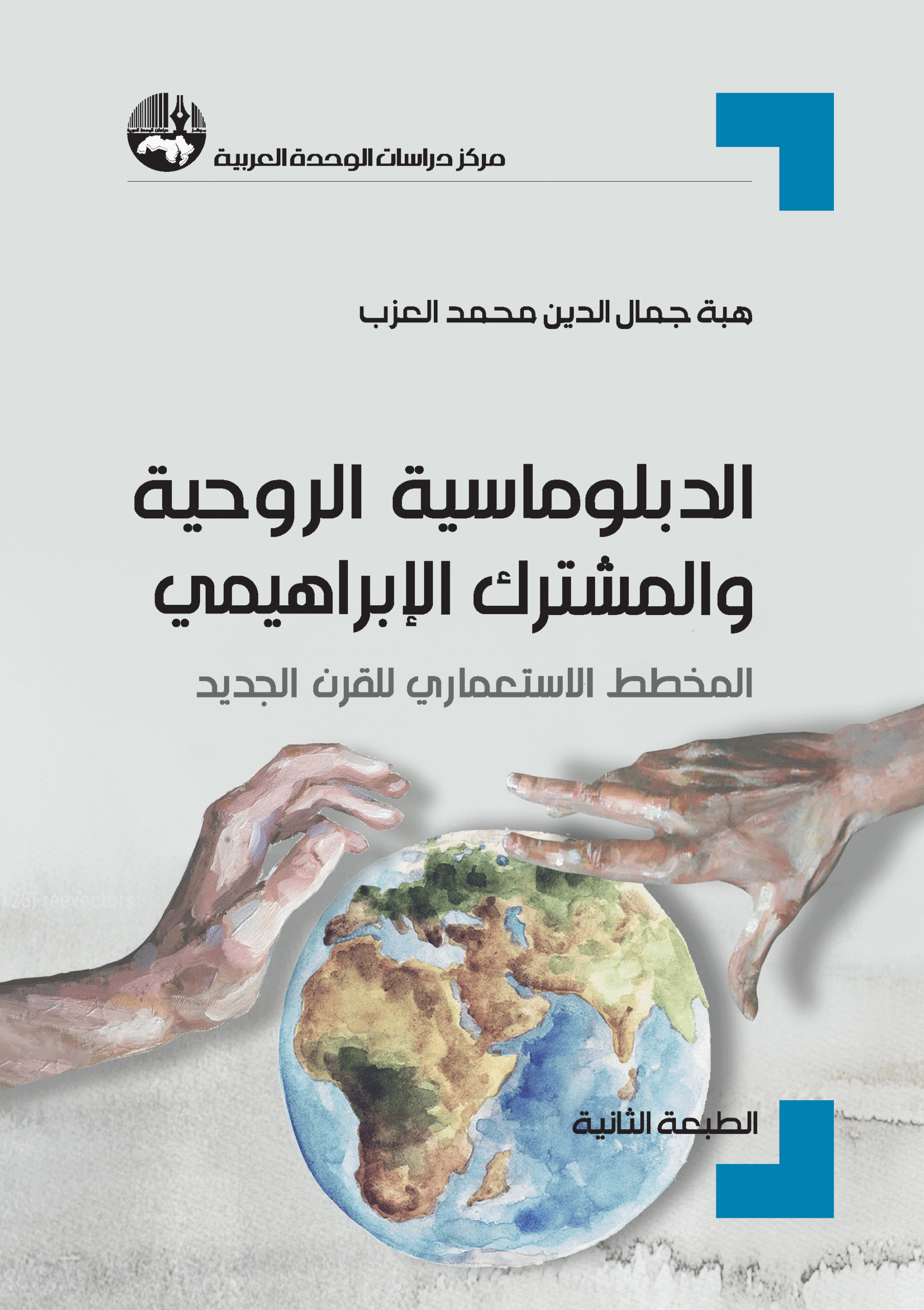
Spiritual Diplomacy and the Abrahamic Interfaith: Colonial Plan of the New Century
Price range: 7 $ through 11 $

In the Beginning was the Transformation: An Analytical Reading of the Contemporary World
Price range: 10 $ through 11 $

Development at the Margins of the Gulf
Price range: 7 $ through 11 $

Humanity Confronting Neoliberalism (English version)
Price range: 10 $ through 16 $

Nonviolent Resistance: Studies in Nonviolent Struggle
Price range: 6 $ through 10 $