

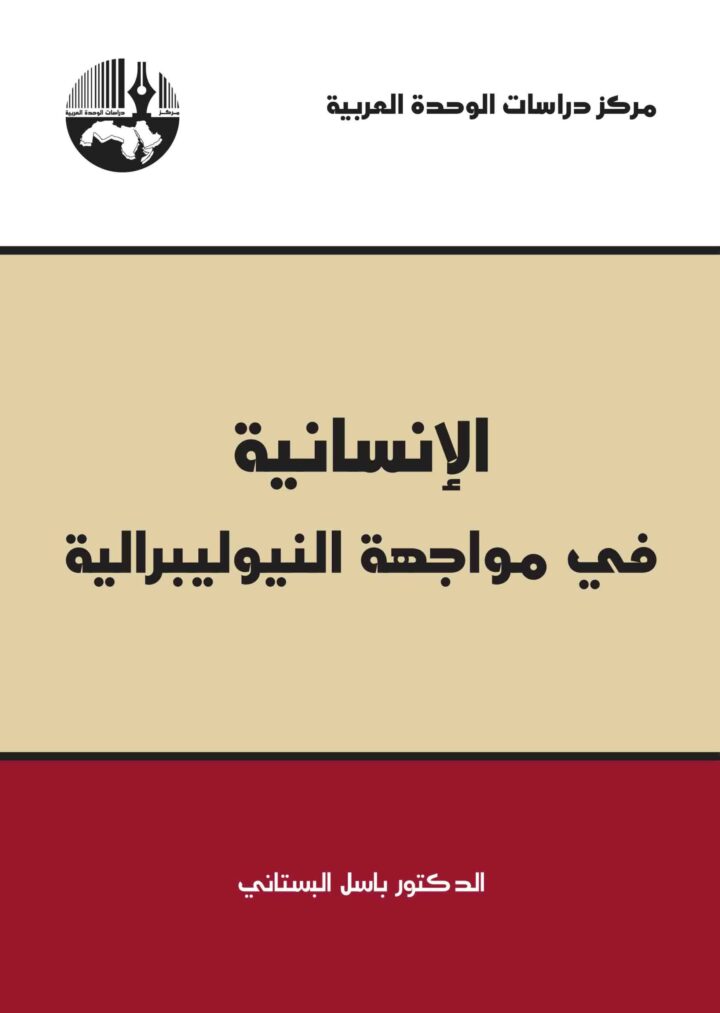
From the early 1980’s, the Capitalist Neoliberalism model saw a rapid expansion. This began with the “Washington Consensus” held in England, between UK prime minister (Thatcher, 1979 – 1990) and the US president (Regan, 1981 – 1989), followed by a “Structural adjustment program” (SAP) targeting indebted developing countries (1982) and rules of “good governance” (1995), and lastly rules of “competitiveness”.
Another movement opposing Neoliberalism dominance began with “Sustainable Human Development” approach (1990), followed by the “Millennium Development Goals Agenda” (2000 – 2015), the “Inclusive Wealth Paradigm” (2012), and later on “The Agenda for Sustainable Development Goals 2016 – 2030”, and lastly the opening of “Sovereign Wealth Funds” as a mechanism for financial and International operations.
This book documents in details the Momentum of both (Humanitarian – Neoliberalism) currents and all their constituting components, to reach a final conclusion that the Capitalist Neoliberalism model has reached the end and is starting to decline. In contrast, there are indicators that an alternative model is rapidly forming, taking the shape of a sustainable paradigm consisting of an economic – social – environmental trinity. It’s the birth of a “Sustainable Development paradigm” and a fierce confrontation between the two models.

Add a review
You must be logged in to post a review.
You May Also Like

Islamic Fundamentalism: The Story of Islamist Movements
Price range: 8 $ through 13 $

Reforming the Religious Domain
Price range: 10 $ through 16 $

Lt. General Saad El-Shazly: Testimonies and Documents
Price range: 10 $ through 13 $
Thoughts on the Lebanese State: Failure Facts and Prospects for the Future
Price range: 10 $ through 13 $

Constitutional Experience of Oman
Price range: 10 $ through 11 $

Saudi Policy towards Yemen after the Popular Uprising 2011
Price range: 6 $ through 10 $
