
المقدمة:
تقف القارة الأفريقية اليوم أمام منعطف تاريخي بالغ الأهمية. فمنذ بدء التطبيق الرسمي لاتفاقية منطقة التجارة الحرة القارية الأفريقية عام 2021، باتت هذه الاتفاقية تُمثّل أكبر منطقة تجارة حرة في العالم من حيث عدد الدول الأطراف، إذ تضمّ 54 دولة بسوق يتجاوز 1.3 مليار نسمة وناتج محلي إجمالي مجمَّع يبلغ نحو 3.4 تريليون دولار[1]. بيد أن هذه الأرقام الضخمة تُخفي وراءها معضلة بنيوية متجذرة، فالتجارة البينية الأفريقية لا تتجاوز 15 بالمئة من إجمالي صادرات القارة، وهي نسبة متدنية قياسًا على نظيراتها في أوروبا (67 بالمئة) وآسيا (59 بالمئة)[2]. وتحتل الجغرافيا موقع الصدارة بين العوامل المفسرة لهذا الضعف التجاري. فالقارة تواجه ضعفًا مزمنًا في شبكات الطرق والسكك الحديدية والموانئ، فضلًا عن حدود سياسية كثيرًا ما تمثّل حواجز بيروقراطية ثقيلة تضاعف تكاليف المعاملات وتطيل آماد التسليم[3]. في هذا السياق، جاء البروتوكول الرقمي لاتفاقية التجارة الحرة القارية ليُقدَّم بوصفه مخرجًا استراتيجيًا ومحركًا رقميًا يربط الأسواق الأفريقية عبر المجال الافتراضي بدلًا من الامتداد الفيزيائي المكلف والمعقد[4].
الفجوة البحثية:
استقطبت اتفاقية التجارة الحرة القارية الأفريقية اهتمامًا أكاديميًا واسعًا في حقلي القانون الدولي والاقتصاد الكلي[5]. أما الجغرافيا الاقتصادية الرقمية على المستوى القاري، فلا تزال تفتقر إلى تراكم بحثي كاف. والحق أن المقاربات الجغرافية للتجارة الرقمية شهدت تطورًا ملحوظًا في السياقات الأوروبية والآسيوية[6]، لكنها ظلت شحيحة حين يتعلق الأمر بتقييم الأثر المكاني للبروتوكولات الرقمية في الحدود والمناطق الهامشية في أفريقيا تحديدًا. هذا الغياب هو ما تسعى هذه الدراسة إلى سده.
إشكالية البحث:
تتمحور إشكالية البحث حول سؤال محوري: هل تملك الأدوات الرقمية للاتفاقية القارية القدرة على إزالة العوائق المكانية الصلبة وتجاوزها فعليًا؟ وهل تفضي الشفافية الرقمية إلى اندماج مكاني متوازن، أم أنها ستعيد إنتاج الهيمنة الاقتصادية نفسها للمراكز الحضرية الكبرى، هذه المرة بأدوات رقمية بدلًا من أدوات فيزيائية؟ إنها إشكالية التفاوت المعاد توليده في أثواب جديدة.
التساؤلات البحثية:
تنبثق من هذه الإشكالية ثلاثة تساؤلات رئيسية:
أولًا: كيف يساهم البروتوكول الرقمي لاتفاقية التجارة الحرة القارية الأفريقية في إعادة تشكيل مفهوم الحدود والجغرافيا الاقتصادية للقارة؟
ثانيًا: ما الأبعاد المكانية لتوزيع البنية التحتية الرقمية من مراكز بيانات وشبكات ألياف ضوئية، وما انعكاسها على الشمول الاقتصادي؟
ثالثًا: كيف تؤثر جغرافيا التدفقات المالية والتجارية الرقمية في التنافسية الإقليمية للمؤسسات الناشئة الأفريقية؟
فرضيات البحث:
تنطلق الدراسة من فرضيتين اثنتين:
الفرضية الأولى: يساهم تطبيق البروتوكول الرقمي للاتفاقية في تقليص الأثر السلبي للحدود السياسية والعوائق الجغرافية في حجم التجارة البينية الأفريقية.
الفرضية الثانية: يفرز التوزيع غير المتكافئ للبنية التحتية الرقمية تراتبية مكانية جديدة تتمركز فوائدها في الممرات الاقتصادية الحضرية الكبرى، على حساب المناطق الهامشية والريفية.
أهمية البحث وأهدافه:
تتجلى أهمية هذه الدراسة في تقديم مقاربة جيواقتصادية مركبة تجمع بين جغرافيا الاتصالات والجغرافيا التجارية لتقييم الآثار المكانية للرقمنة في السياق الأفريقي، وهو تقاطع نادرًا ما يُعالَج بالعمق المطلوب في الأدبيات المتاحة. أما أهدافها التشغيلية فثلاثة، تتمثل في تحليل جغرافيا الشبكات الرقمية القارية، وتقييم دور منصات الدفع العابرة للحدود في تيسير التبادل التجاري، واقتراح نموذج للعدالة المكانية في التحول الرقمي القاري.
الإطار المفاهيمي للبحث:
الجغرافيا الاقتصادية الجديدة:
لا تزال فكرة موت المسافة التي روج لها Cairncross (1997) تثير جدلًا نظريًا خصبًا. فعلى الرغم من التطور الهائل في تقنيات الاتصال، يرى Storper (2013) أن المكان لم يفقد أهميته؛ بل إن الرقمنة تعيد إنتاج الجغرافيا بصور مختلفة لا تلغيها. وقد أثبت Krugman (1991) في نموذجه للجغرافيا الاقتصادية الجديدة أن الاقتصادات يميل نشاطها إلى التمركز المكاني رغم انخفاض تكاليف النقل، وذلك بسبب وفورات الحجم والروابط بين المؤسسات وعمق أسواق العمل[7]. وينطبق هذا المنطق نفسه حين نستبدل تكاليف الإنترنت ونطاق الشبكات بتكاليف النقل التقليدية.
مفهوم إعادة التشكيل المكاني الرقمي:
يُقصد بإعادة التشكيل المكاني الرقمي (Digital Spatial Reshaping) التحولات الجوهرية في توزيع الأنشطة الاقتصادية والتدفقات التجارية والمالية التي تُحدثها البنى التحتية الرقمية، بما فيها الشبكات والمنصات وبروتوكولات التبادل[8]. وتميز الأدبيات ذات الصلة بين نمطين متعارضين: إعادة التشكيل المتوازن حين تُتيح الرقمنة للمناطق الهامشية الاندماج في الاقتصاد القاري؛ وإعادة التشكيل المتمركز حين تعزز الرقمنة قوة المراكز الموجودة مسبقًا وتهمش الأطراف أكثر[9]. ويبدو السياق الأفريقي أكثر تعقيدًا، إذ تتشابك فيه الديناميتان معًا.
أثر الحدود في الجغرافيا الاقتصادية:
وثق Anderson & van Wincoop (2003) في عملهما الرائد عن تكاليف التجارة أن الحدود تقلص حجم التجارة بصورة جوهرية حتى بين شركاء اقتصاديين متجانسين. وفي السياق الأفريقي تحديدًا، أثبتت دراسات متعددة أن تكاليف العبور وضعف التنسيق الجمركي والحواجز البيروقراطية تستنزف ما بين 20 بالمئة و40 بالمئة من قيمة السلع المتبادلة[10]. والرهان على البروتوكول الرقمي هو تجاوز هذا الاحتكاك الحدودي عبر رقمنة الوثائق والإجراءات بدلًا من تغيير الحدود نفسها.
اقتصاد المنصات والتجارة الرقمية في أفريقيا:
يمثّل اقتصاد المنصات (Platform Economy) الوعاء الذي تجري فيه التجارة الرقمية العابرة للحدود. وتُشير Kenney & Zysman (2016) إلى أن المنصات تعيد هيكلة الوساطة التجارية وسلاسل القيمة بصورة تقلص دور الوسطاء التقليديين. أما في أفريقيا، فقد أثبت نموذج التجارة الرقمية عبر المحافظ الإلكترونية ومنصات التجارة الإلكترونية جدواه في بعض الأسواق كنيجيريا وكينيا ورواندا، لكن نطاقه لا يزال محدودًا مقارنة بحجم السكان والطاقة الاقتصادية المتاحة[11].
أولًا: المقاربة الجغرافية الافتراضية: البنية التحتية والبروتوكول الرقمي لاتفاقية (AfCFTA)
يقيم هذا المبحث جسرًا بين مفهومي المادي والافتراضي في الجغرافيا الاقتصادية؛ إذ لا تقوم التجارة الرقمية في الهواء، بل تحتاج إلى عمود فقري مادي من كابلات وخوادم ومنصات. وفي الوقت نفسه، لا تعني الرقمنة إلغاء الجغرافيا بل إعادة تعريف منطق اشتغالها[12]. ينصب التحليل على ثلاثة مستويات متشابكة: البنية التحتية الرقمية، والبروتوكول التنفيذي للاتفاقية، وآليات تجاوز الاحتكاك الجغرافي البيروقراطي.
1 – البنية التحتية الحيوية للرقمنة في أفريقيا: توزيع مراكز البيانات والألياف البحرية – البرية:
أ – مراكز البيانات وخريطة التمركز القاري:
تمثل مراكز البيانات (Data Centers) الوعاء المادي الذي تتدفق فيه المعاملات التجارية الرقمية وتعالج عليه الحوسبة السحابية. وتكشف بيانات Balancing Act Africa لعام 2023 أن خمس دول فقط (جنوب أفريقيا وكينيا ونيجيريا والمغرب ومصر) تستحوذ على ما يتجاوز 73 بالمئة من الطاقة الاستيعابية القارية الإجمالية[13]. في المقابل، تكاد تغيب هذه المنشآت كليًا في منطقتي الساحل وأفريقيا الوسطى.
لا يُعدّ هذا التمركز حدثًا طارئًا؛ بل هو امتداد لأنماط استثمارية تاريخية تسير وفق منطق الربحية التجارية لا منطق التوازن المكاني[14]. والنتيجة ما يسميه الباحثون ثقالة البيانات (Data Gravity)، وهي ظاهرة تشد الأنشطة الاقتصادية نحو المراكز ذات البنية التحتية المكثفة، وهو ما يعيد إنتاج التفاوت بأدوات رقمية بدلًا من أدوات مادية[15]. ومن اللافت أن موجة الاستثمار الرقمي الأحدث أكدت هذا النمط بدلًا من تصحيحه؛ فقد افتتحت شركة Microsoft عام 2023 مراكز بيانات في جوهانسبرغ ونيروبي، كما أعلنت Amazon Web Services توسعات مماثلة في القاهرة ولاغوس[16]. وهذه الاستثمارات ضرورية، لكنها تعمق التمركز بدلًا من نشر الطاقة الرقمية على نطاق قاري أوسع.
الشكل 1: خريطة توضيحية: التوزيع الجغرافي لمراكز البيانات في أفريقيا بحسب الطاقة الاستيعابية (2023).
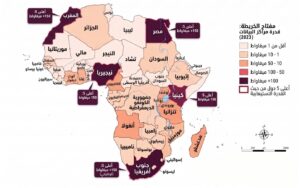
المصدر: من إعداد الباحث استنادًا إلى بيانات الاتحاد الدولي للاتصالات (ITU) وتقرير بالانسينغ أكت أفريكا (Balancing Act Africa, 2023).
ب – شبكات الألياف الضوئية: بين الساحل والعمق القاري:
يحيط بالقارة الأفريقية ما يزيد على 35 كابلًا بحريًا دوليًا كـSEACOM وEASSy و2Africa، غير أن اختراقها للعمق البري يتفاوت تفاوتًا حادًا[17]. ففي حين تنسج شبكات الألياف البرية نسيجًا كثيفًا في المثلث الشرقي (كينيا وإثيوبيا وتنزانيا) وعلى طول الساحل الغربي، تظل مناطق شاسعة كتشاد والنيجر وجمهورية أفريقيا الوسطى أسيرة الاتصالات المتنقلة ذات التكلفة العالية والسرعة المتدنية.
أكثر ما يوضّح التناقض الجغرافي هو وضع الدول الحبيسة مثل رواندا وأوغندا ومالاوي وبوركينا فاسو، المضطرة إلى تمرير اتصالاتها الدولية عبر دول الجوار الساحلية، وهو ما يضاعف التكلفة ويولّد اعتمادًا بنيويًا يعيد إنتاج هشاشة الموقع الجغرافي في الفضاء الرقمي[18]. وهنا تتجلى العلاقة الجدلية بين الجغرافيا الفيزيائية والجغرافيا الرقمية، فعائق الانغلاق البري الذي أثقل التجارة التقليدية لقرون يعيد إنتاج نفسه في الاقتصاد الرقمي.
الشكل 2: خريطة توضيحية: توزيع شبكة الألياف الضوئية البحرية والبرية في أفريقيا (2023).
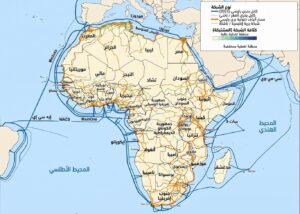
المصدر: من إعداد الباحث استنادًا إلى تقارير جمعية الإنترنت (Internet Society, 2022) ورابطة جي إس إم إيه (GSMA, 2023).
ج – قراءة تحليلية لنمط اعتماد المسار الرقمي:
يفيد هذا التشخيص البنيوي بأن التجارة الرقمية الأفريقية تنطلق من خريطة غير متكافئة. وهو ما يجسّد ما يعرف في الأدبيات الاقتصادية باعتماد المسار (Path Dependency)، حيث تحدّد البنى التحتية القائمة مسارات التطور المستقبلي بصرف النظر عن الأطر التنظيمية الرسمية[19]. وهذا يعني أن تطبيق البروتوكول الرقمي من دون استراتيجية موازية لتوسيع البنية التحتية يساهم في تكريس التفاوت بأدوات أكثر تطورًا.
2 – الأبعاد التنفيذية للبروتوكول الرقمي: تجارة الخدمات، والبيانات العابرة للحدود، والملكية الفكرية.
حين صادق قادة الاتحاد الأفريقي في شباط/فبراير 2023 على البروتوكول الرقمي بوصفه ملحقًا مستقلًا، كانوا يقرّون ضمنيًا بثغرة جوهرية في الاتفاقية الأصلية التي ركّزت على تجارة البضائع من دون معالجة كافية للبعد الرقمي[20]. والبروتوكول الجديد يمسّ ثلاثة ملفات جوهرية، هي: تجارة الخدمات، وتدفقات البيانات، والملكية الفكرية.
أ – تجارة الخدمات الرقمية في القارة:
يميّز البروتوكول بين نمطين: الخدمات الرقمية الأصيلة كالبرمجيات والاستشارة من بُعد والتصميم، والخدمات التقليدية المورَّدة عبر منصات رقمية كالخدمات المالية واللوجستية والصحية. ويسعى إلى إخضاع النوعين لإطار موحد يضمن الوصول إلى الأسواق والمعاملة بالمثل بين الدول الأطراف[21].
ما يجعل تجارة الخدمات رافعة استراتيجية أن مورِّدها لا يحتاج إلى وجود جسدي في بلد المستهلك. شركة ناشئة في نيروبي تقدم خدمات محاسبية لعميل في داكار لا تحتاج إلى مكتب في السنغال. هذا وعد حقيقي، لكنه يفتح في الوقت نفسه الباب أمام المراجحة التنظيمية (Regulatory Arbitrage)، حين تتسجّل الشركات في الدول الأقل تنظيمًا، وهو ما يُهدّد العوائد الضريبية للدول الأخرى[22]. ويقدر صندوق النقد الدولي أن تجارة الخدمات الرقمية يمكن أن تضيف بين 13 و17 مليار دولار سنويًا إلى التجارة البينية الأفريقية بحلول عام 2030، إن طُبِّق البروتوكول بفاعلية[23].
ب – البيانات العابرة للحدود والسيادة الرقمية:
يُعدّ ملف البيانات العابرة للحدود (Cross-Border Data Flows) بمنزلة العقدة الأكثر حساسية. فقد كشفت الدراسات المتعلقة بمسارات البيانات في أفريقيا أن نسبة كبيرة من البيانات المتبادلة بين أطراف أفريقيين تمر عبر خوادم خارج القارة، حتى حين يكون الطرفان في البلد نفسه، وهو ما وصفه Cannon بالتسرب الرقمي[24]. ويسعى البروتوكول إلى تقليص هذا الاستنزاف عبر تشجيع عقد بيانات إقليمية (Regional Data Hubs)، مع إبقاء هامش لكل دولة لفرض قيود ذات صلة بالأمن الوطني[25]. تبقى جدلية توطين البيانات (Data Localization) في مقابل حرية تدفقها (Free Data Flows) إحدى أعقد نقاط التفاوض؛ الأولى تحمي السيادة وقد تقيد التجارة، والثانية تيسر التجارة وقد تهدر السيادة[26]. ولا حل مثاليًا، بل توازن سياسي يُفاوَض عليه باستمرار.
ج – الملكية الفكرية الرقمية:
تحتل الملكية الفكرية الرقمية موقع التوتر الأعمق داخل البروتوكول. حماية المبدعين والمطورين ضرورة لتشجيع الابتكار، لكن أحكامًا صارمة من دون مراعاة قدرات المؤسسات الصغيرة قد تتحول إلى عائق تنافسي يخدم الكبار. تعتمد معظم الدول الأفريقية على اتفاقية TRIPS ضمن منظمة التجارة العالمية مرجعية لتشريعاتها، في حين يطمح البروتوكول إلى بناء إطار إضافي يعالج خصوصيات القارة كحماية المعرفة التقليدية المرقمنة والتراخيص المفتوحة[27].
3 – إزالة عائق المسافة الجغرافية والحدود البيروقراطية من خلال رقمنة الإجراءات الجمركية:
أ – التكلفة: بين الحدود الجغرافية والتشخيص الكمي:
وثق Anderson & van Wincoop[28] أن الحدود الدولية تولد تكاليف معاملات تجارية تعادل فرض رسم جمركي بنسبة 44 بالمئة حتى مع وجود اتفاقيات تجارة حرة. وفي السياق الأفريقي تزداد الصورة قتامة: نقاط تفتيش متعددة على المحاور البرية، وما بين 20 و30 وثيقة ورقية للشحنة الواحدة في بعض الممرات، وأمد تخليص جمركي قد يبلغ أسبوعًا كاملًا[29]. وتقدر اللجنة الاقتصادية لأفريقيا أن تقليص هذه التكاليف بنسبة 50 بالمئة يمكن أن يضيف أكثر من 120 مليار دولار سنويًا إلى التجارة البينية[30].
ب – التجربتان الرواندية والمغربية نموذجين للأتمتة الجمركية:
تقدم تجربة رواندا حالة أفريقية بامتياز؛ فعبر منصة Rwanda Online خُفِّض متوسط وقت التخليص الجمركي من 28 يومًا إلى أقل من 48 ساعة بين عامي 2015 و2020[31]. وفي المغرب، ساهم نظام PortNet في خفض تكاليف الاستيراد بنسبة 18 بالمئة وتقليص عدد الوثائق من 27 إلى 9[32].
هذه النتائج تثبت أن الأتمتة تحول الحدود من جدران إلى واجهات رقمية، لكنها تشتغل بصورة مثالية في سياقات تتوافر فيها ثلاثة شروط متزامنة: بنية تحتية رقمية كافية، وإدارة مؤهلة، وثقة متبادلة بين الأطراف[33]. حيث تتوافر الشروط الثلاثة يتحقق الوعد الجغرافي؛ وحيث يغيب أحدها يتحول الوعد إلى عقبة إضافية.
الشكل 3: جدول مقارن: مؤشرات الأتمتة الجمركية في عينة من الدول الأفريقية (2023).
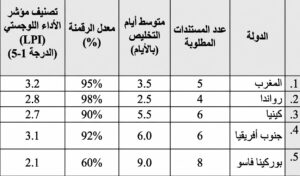
المصدر: من إعداد الباحث استنادًا إلى بيانات مؤشر الأداء اللوجستي للبنك الدولي (World Bank, 2023)، وتقارير وزارة الصناعة والتجارة المغربية (Ministère de l’Industrie, 2022).
ج – نظام PAPSS بوصفه عمودًا فقريًا ماليًا للتحييد الجغرافي:
يتكامل مع الأتمتة الجمركية نظام المدفوعات والتسوية الأفريقي الشامل (PAPSS)، الذي طوره بنك أفريكسيم. كانت تكاليف التحويل بين العملات الأفريقية تبلغ في المتوسط 8.9 بالمئة من قيمة المعاملة عبر المسارات التقليدية[34]، وهي نسبة تجعل كثيرًا من المعاملات الصغيرة غير مجدية اقتصاديًا. بتقليص هذه التكلفة وتسوية المدفوعات بالعملات المحلية، يعيد PAPSS رسم الجغرافيا المالية بنقل مراكز ثقلها من عواصم مالية أوروبية إلى عقد أفريقية كلاغوس وأكرا ونيروبي والدار البيضاء[35].
ثانيًا: إعادة رسم الحدود القارية: الشفافية والتدفقات التجارية عبر المنصات الرقمية.
إذا كان المبحث الأول قد رصد البنية المادية للتحول الرقمي، فإن هذا المبحث يتناول الحراك الذي يجري فوق هذه البنية: تدفقات المدفوعات والتجارة الإلكترونية والمنطق الجديد للحدود حين تصبح ذكية بدلًا من أن تكون صلبة. ويجمع المبحث ثلاثة مطالب متكاملة: منظومة الدفع القارية، ودمج المؤسسات الصغرى، وتحولات الممرات اللوجستية.
1 – منصات الدفع القارية (PAPSS) وأثرها في تخفيض الاعتماد على العملات الأجنبية وتسهيل المعاملات.
أ – المفارقة المالية الأفريقية: تشخيص الوضع الراهن.
تفرز المنظومة المالية القائمة مفارقة ساخرة، إذ إن أفريقيا التي تضم 54 دولة تجري معظم تسوياتها المالية البينية عبر عواصم مالية أوروبية وأمريكية. فدفعة تجارية من الدار البيضاء إلى أكرا قد تمر فعليًا عبر لندن أو باريس قبل أن تصل إلى وجهتها[36]. وقد ساهمت ثلاثة عوامل تاريخية في ترسيخ هذا النمط: الإرث الاستعماري في ربط العملات الأفريقية بالعملات الأوروبية، وضعف التكامل المصرفي بين البنوك الأفريقية، وشح التسهيلات الائتمانية البينية[37].
التكلفة الكمية واضحة؛ فقد بلغت تكاليف التحويل بين العملات الأفريقية عبر المسارات التقليدية 8.9 بالمئة في المتوسط عام 2022[38]، وهي نسبة تجعل كثيرًا من معاملات المؤسسات الصغيرة في حدود الجدوى أو خارجها. والأدهى أن هذه التكاليف تغذي مؤسسات مالية خارج القارة بدلًا من أن تدور في فلك الاقتصادات الأفريقية نفسها.
ب – بنية PAPSS وآلية اشتغالها.
طور بنك أفريكسيم نظام PAPSS بالتعاون مع أمانة اتفاقية التجارة الحرة القارية. يعمل النظام بوصفه منصة تسوية مركزية تتيح للبنوك التجارية والبنوك المركزية الأفريقية إجراء تسويات مدفوعاتها بالعملات المحلية مباشرة، من دون الحاجة إلى الدولار أو اليورو وسيطًا[39]. الآلية بسيطة في جوهرها: فبدلًا من أن يُحوَّل الدرهم المغربي إلى دولارات ثم إلى سيدي (Cedi) غاني، تُجرى التسوية مباشرة بين المصرفين عبر نظام مقاصة مركزية يدار قاريًا. وبحلول منتصف عام 2023، انضم 14 بنكًا مركزيًا إلى المنظومة وجرى تشغيلها تجريبيًا في غرب أفريقيا[40]. التحدي الأكبر أمام التعميم هو التفاوت في الاحتياطيات وضعف تحويلية بعض العملات المحلية، وهو ما يُبقي على درجة من الاعتماد على العملات الدولية في المرحلة الانتقالية[41].
الشكل 4: مخطط توضيحي: مسار تدفق المدفوعات البينية الأفريقية قبل PAPSS وبعده.
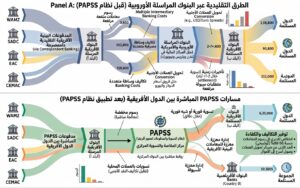
المصدر: من إعداد الباحث استنادًا إلى تقارير البنك الأفريقي للتصدير والاستيراد (Afreximbank, 2022, 2023) وبيانات البنك الدولي (World Bank, 2023).
ج – الأثر الجغرافي من خلال إعادة رسم الجغرافيا المالية القارية.
يعكس PAPSS تحولًا جغرافيًا حقيقيًا، إذ تُنقل مراكز الثقل المالي من عواصم كلندن وباريس ونيويورك إلى عقد أفريقية كبرى كلاغوس وأكرا ونيروبي وجوهانسبرغ والدار البيضاء. هذا الانتقال لا يعني توفير رسوم التحويل فحسب، بل يعني احتجاز جزء أكبر من القيمة المالية داخل دورة الاقتصاد القاري[42].
بيد أن القراءة الجغرافية النقدية تنبّه إلى أن هذا التمركز الجديد يعيد توزيع القوة المالية داخل القارة، لكن بطريقة تُميل الكفة لمصلحة العقد الحضرية الكبرى. فالمدن التي تتخذ منها البنوك الكبرى مقارها هي التي ستحصد الجزء الأكبر من عوائد هذا التحوّل في المرحلة الأولى على الأقل[43].
2 – دور التجارة الإلكترونية العابرة للحدود في دمج المؤسسات الصغرى والمتوسطة والقطاع غير الرسمي.
أ – حجم السوق والإمكانات الكامنة.
يُقدَّر حجم سوق التجارة الإلكترونية الأفريقية بنحو 46 مليار دولار عام 2023، مع توقعات بتجاوز 75 مليارًا بحلول عام 2030[44]. والأرقام الأكثر دلالة هي تلك المتعلقة بالقطاع غير الرسمي الذي يمثّل ما بين 35 بالمئة و50 بالمئة من الناتج الاقتصادي في كثير من الدول الأفريقية[45]. فإدماج هذا القطاع في المنظومة الرقمية القارية هو الرهان الحقيقي لاتفاقية التجارة الحرة.
ب – المؤسسات الصغرى: بين وعد الوصول وعائق اللوجستيك.
تحمل التجارة الإلكترونية للمؤسسة الصغرى وعدًا حقيقيًا: الوصول إلى سوق قارية بتكلفة هامشية متدنية من دون الحاجة إلى شبكة تصدير تقليدية. Jumia المنتشرة في 11 دولة، وFlutterwave في نيجيريا، وJumo في كينيا، نماذج تثبت أن البنية الرقمية تتيح للمؤسسات الصغيرة الوصول إلى أسواق لم تكن تحلم بها[46]. لكن البحث الأكاديمي ينبّه إلى جدران غير مرئية تصطدم بها هذه المؤسسات، وهي ضعف البنية اللوجستية لإيصال المنتجات فيزيائيًا حتى بعد إتمام الصفقة رقميًا، وغياب الثقة الرقمية بين البائع والمشتري عبر الدول، وتكاليف الدفع العابر للحدود قبل تعميم PAPSS[47]. وهنا تتجلى المفارقة الجوهرية في كون البروتوكول الرقمي يزيل العائق الإجرائي لكنه لا يلغي العائق اللوجستي، وإلغاء الأول من دون الثاني ينتج نصف حل.
الشكل 5: مخطط تحليلي: النظام البيئي للتجارة الإلكترونية الأفريقية: الفاعلون والعوائق والفرص.
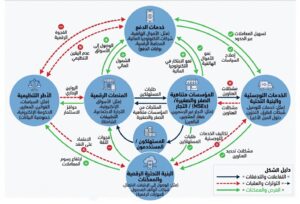
المصدر: من إعداد الباحث استنادًا إلى تقارير مؤسسة التمويل الدولية (IFC, 2020)، ومعهد ماكنزي العالمي (McKinsey Global Institute, 2022)، وأمانة منطقة التجارة الحرة القارية الأفريقية (AfCFTA Secretariat, 2023).
ج – القطاع غير الرسمي والتحدي الهيكلي للإدماج الرقمي.
يواجه إدماج القطاع غير الرسمي في المنظومة الرقمية القارية تحديًا هيكليًا مزدوجًا. من جهة، يعتمد هذا القطاع تقليديًا على النقد والثقة الشخصية والشبكات المجتمعية بديلًا من العقود الرسمية والمنظومات المالية المؤسسية. ومن جهة أخرى، غالبًا ما تكون الفئات العاملة في هذا القطاع هي الأقل وصولًا إلى الإنترنت والأقل تأهيلًا رقميًا[48].
قدمت رواندا تجربة ملهمة في هذا الصدد، من خلال برامج التدريب الرقمي الموجهة إلى التجار غير الرسميين مقرونة بمنصات دفع متنقلة مبسطة ساهمت في إدماج آلاف التجار الصغار في المنظومة الرقمية خلال سنوات معدودة[49]. لكن هذا النجاح لم يكن تلقائيًا؛ بل كان نتيجة سياسة حكومية واعية وإرادة سياسية واضحة، وهو شرط لا يتوافر بالقدر نفسه في جميع الدول الأطراف.
3 – تحولات الممرات اللوجستية والحدود الذكية: الانتقال من المعابر الفيزيائية إلى الفضاءات الافتراضية.
أ – مفهوم الحدود الذكية وتحول وظيفة الحدود.
يعيد مفهوم الحدود الذكية (Smart Borders) تعريف الحدود من نقطة مراقبة فيزيائية إلى واجهة بيانات رقمية. بدلًا من توقف الشاحنة لساعات عند المعبر، يجري التحقق الجمركي مسبقًا عبر التبادل الرقمي للبيانات بين إدارتي جمارك البلدين المعنيين[50]. وتجسد هذه الفكرة تحولًا جيليًا في فهم الحدود، من حاجز إلى نقطة تحقق ذكية تعمل باستمرار لا في أوقات العبور فحسب.
هذا التحول له أبعاد جغرافية واضحة، فالشركة في المناطق الداخلية البعيدة عن المنافذ الحدودية الكبرى يمكنها نظريًا إنجاز إجراءاتها الجمركية رقميًا من دون الاضطرار إلى إيفاد ممثلين إلى نقاط الحدود المادية. وهذا يقلص ما يسمى في الجغرافيا الاقتصادية بتكاليف المعاملات (Transaction Costs) المرتبطة بالبعد الجغرافي عن مراكز القرار الإداري[51].
ب – الممرات اللوجستية الكبرى وإعادة التموضع الرقمي
تجري الرقمنة تحولات عميقة في هيكل الممرات اللوجستية الكبرى. الممر الشمالي الأفريقي الرابط بين مومباسا ومناطق حوض النيل الكبير، والممر الغربي الرابط بين أبيدجان وواغادوغو وباماكو، تتحول بواباتها تدريجيًا إلى منصات رقمية تدير تتبع الشحنات والتسويات الجمركية والمدفوعات اللوجستية[52].
هذا لا يعني أن الطرق المعبدة باتت لا أهمية لها؛ بل يعني أن الكفاءة اللوجستية باتت تقاس بمزيج من الجودة الفيزيائية والكفاءة الرقمية معًا. الممر الرقمي الفعال على طريق متهالك يفشل، وطريق ممتاز من دون منظومة جمركية رقمية يتعثر[53]. فالرهان على الجمع لا على الاختيار.
الشكل 6: خريطة توضيحية: حركية تطور الممرات اللوجستية الأفريقية الرئيسية في ظل الرقمنة (2015 – 2023).
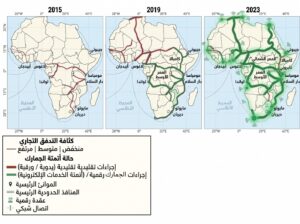
المصدر: من إعداد الباحث استنادًا إلى (African Development Bank, 2022; World Bank, 2023).
ج – حدود الانتقال الرقمي للممرات: قراءة نقدية.
تواجه عملية التحول نحو الحدود الذكية ثلاث عقبات هيكلية: أولاها، عدم التوافق التقني بين الأنظمة الجمركية للدول المتجاورة الذي يحول التبادل الرقمي للبيانات من حلم إلى كابوس تقني[54]. ثانيتها، ضعف الثقة السياسية بين بعض الدول المتجاورة الذي يجعل مشاركة بيانات التجارة أمرًا حساسًا سياسيًا. ثالثتها، البيروقراطية المقاومة للرقمنة حيث يولد التحول الرقمي أحيانًا طبقات إضافية من المراجعة بدلًا من استبدال القديم[55]، فيزيد بذلك الوقت في المرحلة الانتقالية بدلًا من أن يقلصه.
ثالثًا: الجغرافيا التنافسية والتحديات المكانية: الفجوة الرقمية وغياب عدالة التنمية بين الأقاليم.
يمثل هذا المبحث الجانب النقدي في الدراسة؛ إذ لا تتوقف الجغرافيا الاقتصادية عند وصف فرص التحول الرقمي، بل تلزمنا بمواجهة المخاطر التي ينطوي عليها هذا التحول حين تتفاوت شروطه الموضوعية بين الأقاليم والمجموعات. الفجوة الرقمية ليست مجرد مشكلة اتصال تقني؛ إنها انعكاس لعلاقات قوة مكانية تاريخية ترتدي اليوم أثوابًا رقمية، وهو ما يستدعي تحليلًا معمقًا لأبعادها وسيناريوهات معالجتها.
1 – التفاوتات المكانية: انحصار الثروة الرقمية في المناطق المتروبولية وتعميق هامشية المناطق الريفية.
أ – التجمع الرقمي وإعادة إنتاج التراتبية المكانية.
تستحوذ مراكز التقنية الأفريقية الكبرى، نيروبي (Silicon Savanna) ولاغوس (Silicon Lagos) وجوهانسبرغ والدار البيضاء والقاهرة، على ما يتجاوز 72 بالمئة من الاستثمارات الرقمية الوافدة إلى القارة[56]. هذا الرقم يجسد ما يسميه Castells[57] مجتمع الشبكة، حيث يتمركز الثراء والسلطة عند عقد الشبكة الكبرى في حين تصبح بقية المناطق هامشًا وظيفيًا يمد هذه العقد بالمواد الخام والعمالة الرخيصة.
والأخطر أن هذا التمركز يغذي نفسه بنفسه في حلقة يعرفها الاقتصاديون بالسببية التراكمية، التي صاغها Myrdal وطورها Krugman[58]، فالمراكز تجذب الاستثمار، والاستثمار يحسن البنية التحتية، والبنية المحسنة تجذب مزيدًا من الاستثمار، وحيث يغيب هذا المسار يبدأ التهميش ويتعمق. وهذا الواقع يثير تساؤلًا جوهريًا: هل يمكن لبروتوكول رقمي مصمم في عواصم كبرى ومنفذ عبر بنية تحتية متمركزة أن ينتج توزيعًا مكانيًا عادلًا للفوائد؟
ب – الفجوة الرقمية وأوجهها الثلاثة في أفريقيا.
يميز van Dijk بين ثلاثة مستويات للفجوة الرقمية تتجلى جميعها في السياق الأفريقي بحدة[59]:
فجوة الوصول: نحو 300 مليون أفريقي خارج تغطية الإنترنت عريض النطاق[60]. هؤلاء مستبعدون فعليًا من أي فائدة للتجارة الرقمية بصرف النظر عن جودة البروتوكول الرقمي للاتفاقية.
فجوة الجودة: سرعة الإنترنت في المناطق الريفية الأفريقية تقل بما بين 10 و20 مرة عن نظيرتها في المدن الكبرى[61]. وهذه الفجوة النوعية تعني أن المعاملات الرقمية التجارية مثل تحميل وثائق وتوقيع رقمي ومؤتمرات الفيديو، تصبح صعبة أو مستحيلة في كثير من المناطق الريفية.
فجوة التكلفة: تستنزف تكاليف البيانات في عدة دول أفريقية ما يتجاوز 10 بالمئة من الدخل الشهري للفرد[62]. هذه النسبة تجعل الاستخدام الرقمي التجاري حكرًا فعليًا على طبقات معيّنة، وهو ما يُعيد إنتاج الفجوة الاقتصادية بأدوات رقمية.
الشكل 7: خريطة توضيحية: الفجوة الرقمية في أفريقيا: المؤشرات الثلاثة (2023).
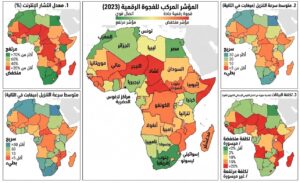
المصدر: من إعداد الباحث استنادًا إلى (A4AI, 2022; GSMA, 2023; ITU, 2023).
ج – التفاوت بين الأقاليم الأفريقية الكبرى.
تتجاوز الهوة الرقمية ثنائية الريف – المدينة لتمتد إلى تفاوتات بين الأقاليم الكبرى؛ فأفريقيا الشمالية وشرق أفريقيا تقودان تبني التقنيات المالية والتجارة الإلكترونية، في حين يتأخر الساحل وأفريقيا الوسطى[63]. والأكثر إيلامًا جغرافيًا أن الدول الحبيسة (رواندا استثناء لافت) تجمع في وضعها الهش بين الحدود البرية وضعف الاتصالات في آن واحد. ومن المنظور المقارن، تتصدر أفريقيا جنوب الصحراء الكبرى قائمة الأقاليم الأكثر تضررًا من الفجوة الرقمية بشقيها البنيوي والتكليفي، في حين تحقق دول شمال أفريقيا كالمغرب ومصر وتونس أداءً رقميًا يقترب من المعدلات العالمية المتوسطة[64]. هذا التفاوت يعيد رسم خريطة التنافسية الإقليمية داخل منظومة اتفاقية التجارة الحرة القارية الأفريقية بصورة تنذر بمزيد من الهيمنة الشمالية على التجارة الرقمية القارية.
2 – السيادة على البيانات (Data Sovereignty) والأمن السيبراني بوصفهما حدودًا سياسية جديدة في الفضاء الافتراضي.
أ – السيادة الرقمية: مفهوم في طور الاكتمال.
أصبحت السيادة على البيانات (Data Sovereignty) إحدى أكثر الإشكاليات السياسية تعقيدًا في عصر الاقتصاد الرقمي. تتمحور المسألة حول سؤال جوهري: لمن تنتمي البيانات التي تنتجها الأنشطة الاقتصادية لمواطني دولة ما، حين تكون مخزّنة في خوادم دولة أخرى وتخضع لتشريعاتها[65]؟ والبروتوكول الرقمي لاتفاقية التجارة الحرة يواجه هذه المعضلة حين يحاول التوفيق بين حرية تدفق البيانات الضرورية للتجارة وحق الدول في حماية بيانات مواطنيها.
تتقاطع في هذا الملف ثلاثة أبعاد مختلفة: البعد الاقتصادي: من يفيد من قيمة البيانات؟ والبعد الأمني: من يملك الوصول إلى البيانات الحساسة؟ والبعد السيادي: من يطبق القانون على هذه البيانات؟[66] وفي الغالب تتعارض متطلبات الأبعاد الثلاثة، وهو ما يجعل أي تنظيم قانوني لها مثارًا للجدل.
ب – الأمن السيبراني: الحدود غير المرئية في المجال القاري.
كلما اتسعت رقعة التجارة الرقمية البينية، اتسع سطح الهجوم السيبراني المحتمل. تصنّف الدراسات الأمنية الهجمات السيبرانية بوصفها حدودًا افتراضية جديدة، يمكن من خلالها تعطيل الاقتصادات بدلًا من احتلال الأراضي[67]. وتفيد بيانات الاتحاد الدولي للاتصالات بأن أغلبية الدول الأفريقية تفتقر إلى استراتيجيات وطنية للأمن السيبراني ذات موارد كافية وتنفيذ فعلي[68].
مخاطر الأمن السيبراني في إطار اتفاقية التجارة الحرة القارية تتخذ صورًا متعددة، منها الاحتيال في منصات التجارة الإلكترونية القارية، والتلاعب في منظومات الدفع عبر PAPSS، واستهداف الأنظمة الجمركية الرقمية لتعطيل الممرات التجارية الكبرى، فضلًا عن سرقة البيانات التجارية الحساسة المتبادلة بين الشركاء. كل هذه التهديدات تستدعي إنشاء هيئة قارية للأمن السيبراني تنسّق بين الدول الأطراف، وهو ما يشير إليه البروتوكول الرقمي من دون أن يحدّد جدولًا زمنيًا واضحًا[69].
الشكل 8: خريطة: المؤشر العالمي للأمن السيبراني (GCI) في الدول الأفريقية (2024).
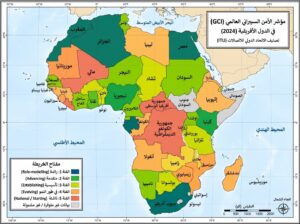
المصدر: من إعداد الباحث استنادًا إلى بيانات الاتحاد الدولي للاتصالات (ITU, 2024).
ج – نحو إطار أفريقي للسيادة الرقمية.
تسير الدول الأفريقية في ملف السيادة الرقمية في اتجاهات متباينة. دول كجنوب أفريقيا وكينيا والمغرب أرست تشريعات متقدمة لحماية البيانات مستوحاة جزئيًا من نموذج الاتحاد الأوروبي في اللائحة العامة لحماية البيانات (GDPR). في المقابل، لا تزال دول كثيرة تفتقر إلى أي إطار تشريعي في هذا الشأن[70]. هذا التباين يولد فراغًا قانونيًا يستغله بعض الفاعلين الاقتصاديين الكبار لتخزين بيانات المستخدمين الأفريقيين في مناطق رمادية تنظيميًا.
ولعل الإطار الأكثر استدامة هو نموذج السيادة التعاونية، الذي يقوم على اتفاقيات ثنائية ومتعددة الأطراف لتبادل البيانات بين الدول الأفريقية، مع وضع سقف لنقل البيانات إلى خارج القارة، وهو مسار يعدّه بعض الباحثين الأنسب للسياق الأفريقي الذي يجمع بين الهشاشة المؤسسية والحاجة إلى الانفتاح التجاري[71].
3 – سيناريوهات العدالة المكانية: آليات التوازن الرقمي لضمان الاندماج الشامل داخل القارة.
أ – مفهوم العدالة المكانية الرقمية: الإطار المرجعي.
يُقصد بالعدالة المكانية الرقمية (Digital Spatial Justice) أن تُوزَّع فرص المشاركة في الاقتصاد الرقمي القاري بحيث لا تحدّد الجغرافيا وحدها من يربح ومن يُقصى. يُستمدّ هذا المفهوم من جهة من تراث Soja (2010) في العدالة المكانية التي تطالب بإعادة التفكير في كيفية إنتاج المكان وتوزيع موارده، ومن جهة أخرى من نهج القدرات عند Sen (1999)، إذ لا تتحقق العدالة بمجرد توفير الإمكان القانوني للوصول إلى السوق الرقمية، بل بضمان القدرة الفعلية على الإفادة منها. وهذا التمييز بين الإمكان والقدرة هو قلب النقد الذي يوجّهه هذا المبحث إلى التصور المبسّط لانعكاسات البروتوكول الرقمي.
ب – السيناريو الأول: إصلاح البنية التحتية بمنطق الخدمة العامة.
يرتكز هذا السيناريو على تدخّل الدولة والاتحاد الأفريقي في تمويل مدّ الألياف الضوئية إلى المناطق غير المربحة تجاريًا. ويُقدَّم النموذج الرواندي بوصفه مرجعًا ناجحًا، إذ ضمنت رواندا تغطية وطنية شاملة لشبكة الجيل الرابع بقرار سياسي لا بحوافز السوق وحدها[72]، وأسفر ذلك عن ارتفاع نسبة الوصول إلى الإنترنت من 8 بالمئة عام 2010 إلى 62 بالمئة عام 2022.
يستلزم هذا السيناريو على المستوى القاري إنشاء صندوق للبنية التحتية الرقمية مموَّل بنسبة من رسوم المعاملات الرقمية البينية ضمن منظومة اتفاقية التجارة الحرة القارية، مع تخصيص أولوياته للمناطق الأقل تجهيزًا. الفكرة ليست مستحدثة في الاقتصاد الدولي؛ إذ يتيح صندوق خدمة عالمية مماثل في إطار الاتحاد الدولي للاتصالات تمويلًا للدول النامية[73]، والمطلوب نسخة أفريقية بحجم أكبر وحوكمة أكثر مكانية.
ج – السيناريو الثاني: التمييز الإيجابي الرقمي.
يقوم هذا السيناريو على منح الدول والمناطق الأقل حظًّا رقميًا أفضلية تنظيمية مؤقتة داخل إطار اتفاقية التجارة الحرة القارية، مثل إعفاءات ضريبية على استيراد معدات الاتصالات، وأولوية التكامل في منظومة PAPSS، وبرامج إرشاد تقني ممولة قاريًا للمؤسسات الصغرى في هذه المناطق.
المنطق الاقتصادي مستعار من أدبيات التنمية: المساواة في القواعد حين تكون الأوضاع غير متكافئة تكرّس التفاوت بدلًا من أن تزيله[74]. هذا المنطق نفسه يسوّغ نظام الأفضليات المعمَّم في التجارة الدولية والحصص التفضيلية للدول الأقل نموًّا، وتطبيقه على الفضاء الرقمي القاري الأفريقي يبدو خيارًا سياسيًا متسقًا مع قيم الاتفاقية المعلنة.
د – السيناريو الثالث: حوكمة متعددة المستويات للمجال الرقمي القاري.
يُقترح هنا نموذج حوكمة يشرك ثلاثة مستويات في تكامل وتوازن: أولًا، المستوى القاري عبر هيئة رقمية لاتفاقية التجارة الحرة تتولى رسم السياسات الكبرى وضمان تطبيقها؛ ثانيًا، المستوى الإقليمي الجماعي (ECOWAS وSADC وAMU وغيرها) عبر بروتوكولات تنسيق شبكي تراعي الخصوصيات الإقليمية؛ ثالثًا، المستوى الوطني عبر استراتيجيات تحوّل رقمي مستقلة لكنها متصلة بالبنى الإقليمية والقارية[75].
هذه البنية الثلاثية توزّع السلطة بما يضمن تمثيل الاهتمامات الإقليمية المتنوعة بدلًا من تحكم المراكز الرقمية الكبرى في صوغ قواعد اللعبة.
الشكل 9: جدول: مصفوفة مقارنة السيناريوهات الثلاثة للعدالة المكانية الرقمية في القارة الأفريقية.
| مؤشرات المقارنة التقييمية | السيناريو الأول: التوسع في الشبكة الفقرية الشاملة بقيادة الدولة | السيناريو الثاني: التمييز الإيجابي الرقمي | السيناريو الثالث: حوكمة متعددة المستويات للفضاء الرقمي القاري |
| المرتكز المفهومي والآليات | الاستثمار الحكومي المركزي في الألياف الضوئية والأقمار الصناعية والبنية التحتية الضخمة. | منح الدول والمناطق الأقل حظًا تفضيلات تنظيمية مؤقتة (إعفاءات ضريبية لمعدات الاتصالات، وأولوية التكامل في منظومة PAPSS، وإرشاد تقني للمؤسسات الصغرى). | نموذج حوكمة ثلاثي المستويات: 1. قاري: هيئة رقمية لاتفاقية AfCFTA. 2. إقليمي: بروتوكولات تنسيق شبكي (ECOWAS وSADC وAMU). 3. وطني: استراتيجيات تحول رقمي متصلة بالبنى القارية. |
| جدوى التنفيذ والتحديات | متوسطة إلى منخفضة: بيروقراطية تخطيطية، وتعقيد لوجستي في المساحات النائية، ويتطلب إرادة سياسية قارية موحدة. | متوسطة: تتطلب صوغ أطر تفضيلية محكمة، ومواءمة القواعد بين الأفضلية التنظيمية وجاذبية الاستثمار. | عالية: تضمن تمثيل الأقاليم المتنوعة بدلًا من تحكم المراكز الكبرى، مع مرونة تنفيذية عالية وسهولة في التكيف والتطبيق المحلي. |
| الأثر التوزيعي المتوقع | إيجابي للغاية: تقليص الفجوات الرقمية البنيوية وتغطية المناطق المحرومة بصورة منهجية وشاملة. | إيجابي وموجه: معالجة عدم التكافؤ عبر نظام الأفضليات المعمَّم لمنع تكرار التفاوتات، مع الحاجة إلى رقابة للحد من الانتقاء الرقمي للمناطق المربحة فقط. | إيجابي للغاية محليًا: تحقيق توازن في توزيع السلطة الرقمية وتوجيه الإمكانيات نحو الاحتياجات الفعلية للمجتمعات المهمشة والإقليمية. |
| التكلفة المالية وآليات التمويل | مرتفعة للغاية: استثمار أولي ضخم يستدعي صندوقًا قاريًا مخصصًا ممولًا من رسوم المعاملات الرقمية والإنفاق العام المباشر. | متوسطة: تتضمن إعفاءات ضريبية وحوافز ممولة قاريًا، مع توزيع العبء المالي عبر رأس المال والاستثمار المشترك. | منخفضة إلى متوسطة: الاعتماد على الشراكات الشبكية وتخصيص الموارد عبر المستويات الثلاثة بنماذج تشغيل ميسورة ومستدامة. |
| الأفق الزمني للتنفيذ | طويل المدى: سنوات عديدة لنشر الألياف الضوئية القارية الممتدة والتغطية الوطنية الشاملة. | متوسط إلى طويل المدى: يرتبط بنضج الأطر التفضيلية ودورات استثمار المؤسسات الصغرى. | قصير إلى متوسط المدى: سرعة في بناء بروتوكولات التنسيق متعددة المستويات وتحقيق نتائج سريعة على المستويات الثلاثة. |
المصدر: من إعداد الباحث استنادًا إلى
(Goldin & Reinert, 2012; Rodrik, 2018; Luke & Mabuza, 2019; African Union Commission, 2022; AfCFTA Secretariat, 2023).
الخاتمة والتوصيات:
انطلق هذا البحث من إشكالية جوهرية: هل يملك البروتوكول الرقمي لاتفاقية التجارة الحرة القارية الأفريقية القدرةَ على إعادة تشكيل الجغرافيا الاقتصادية للقارة بصورة متوازنة، أم أنه يُخاطر بإعادة إنتاج التراتبية المكانية القائمة بأدوات رقمية بدلًا من المادية؟ والجواب، كما يُشير التحليل، ليس أحاديًا.
كشف المبحث الأول أن البنية التحتية الرقمية، من مراكز البيانات وشبكات الألياف، موزّعة توزيعًا بالغ التفاوت، وأن هذا التفاوت امتداد لأنماط استثمارية تسير وفق منطق السوق لا منطق العدالة المكانية. في المقابل، أثبتت الأتمتة الجمركية حيث طُبّقت (رواندا والمغرب أبرز النماذج) إمكان تجاوز احتكاك الحدود البيروقراطية بصورة قياسية.
أظهر المبحث الثاني أن منظومة PAPSS تعيد رسم الجغرافيا المالية القارية بنقل مراكز الثقل من العواصم الأوروبية إلى العقد الأفريقية الكبرى، وأن التجارة الإلكترونية تحمل وعدًا حقيقيًا لدمج المؤسسات الصغرى، لكن هذا الدمج لا يتحقق تلقائيًا في غياب البنية اللوجستية الفيزيائية والثقة الرقمية بين الأطراف المتعاملة.
أما المبحث الثالث، فرصد التفاوتات المكانية العميقة في الوصول الرقمي بأوجهها الثلاثة (الوصول والجودة والتكلفة)، وأبرز أن السيادة على البيانات والأمن السيبراني باتا يمثّلان حدودًا سياسية افتراضية جديدة لا تقل أهمية عن الحدود الفيزيائية التقليدية، قبل أن يُقدّم ثلاثة سيناريوهات للعدالة المكانية الرقمية يكمّل بعضها بعضًا أكثر مما تتنافس.
تدعم أدلة جزئية الفرضية الأولى، إذ توجد أدلة موثقة على انخفاض تأثير الحدود في السياقات التي توافرت فيها البنية التحتية اللازمة والإرادة الإدارية. ومع ذلك، لا تزال هذه الفرضية غير مؤكدة في مجموعة واسعة من الدول الأطراف التي تفتقر إلى الشرطين الأساسيين المتمثلين في الأتمتة الكاملة للجمارك والقدرة الرقمية الكافية.
أما الفرضية الثانية فهي مؤكدة بصورة أقوى. فالتمركز الرقمي في المراكز الحضرية الكبرى موثق إحصائيًا وتحليليًّا، وتجعل آلياته التراكمية تصحيحه أمرًا شبه مستحيل من دون تدخل سياسي واعٍ ومدروس.
وتنتظم التوصيات في ثلاثة مستويات مترابطة:
على مستوى الحوكمة القارية: إنشاء صندوق قاري للبنية التحتية الرقمية في إطار اتفاقية التجارة الحرة القارية، يُموَّل بنسبة مئوية من رسوم المعاملات الرقمية داخل المنطقة، مع تخصيص أولوياته صراحةً للمناطق الأقل تجهيزًا رقميًا.
في ما يتعلق بالسيادة الرقمية: إدراج أحكام صريحة في «البروتوكول الرقمي» تنص على إبرام عقود إقليمية للبيانات خارج نطاق المركزية الحالية للقوى الخمس الكبرى، إلى جانب إنشاء هيئة قارية مشتركة للأمن السيبراني للتنسيق بين الدول الموقعة، بما يضمن ألا تصبح نقاط الضعف لدى بعضها نقاط ضعف في النظام بأكمله.
في ما يتعلق بالشمول الاقتصادي: ربط برامج دعم المشاريع الصغيرة والقطاع غير الرسمي بالإطار الرقمي للاتفاقية من خلال حزم تشمل التوجيه الفني والإعفاءات من رسوم الوصول إلى منصات PAPSS خلال مرحلة الإطلاق، مع مطالبة الدول الموقعة بتقديم تقارير سنوية عن مؤشرات الشمول الرقمي شرطًا للإفادة من الأفضليات التجارية.
تفتح هذه الدراسة أمام الباحثين مسارات تستدعي تعمّقًا أكبر: قياس الأثر الكمّي لتطبيق PAPSS على حجم التجارة البينية بالعملات المحلية بعد اكتمال التطبيق القاري؛ وتحليل ديناميات التمثيل داخل هيئات صنع القرار في البروتوكول الرقمي وإن كانت الدول الأقل تطورًا رقميًا تملك نفوذًا حقيقيًا في صوغه؛ والدراسة المقارنة بين تجارب الاتحاد الأوروبي وآسيا والسياق الأفريقي في بناء الثقة الرقمية العابرة للحدود بوصفها متغيرًا مستقلًا في نجاح التجارة الإلكترونية.
الرقمنة القارية وعد حقيقي، لكن تحقّقه يستلزم سياسات توازن بين طموح التكامل ومتطلبات العدالة المكانية. وإلى أن يُصبح الفضاء الرقمي القاري فضاءً للجميع لا حكرًا على المراكز، ستظل الجغرافيا الاقتصادية أمينةً على مهمتها: رصد التفاوت حيث يوجد، وتسمية الظاهرة بمسمياتها الحقيقية.
ورقة ذات صلة:
الديون والاستدامة المالية في أفريقيا: الواقع والمآلات في عالم مأزوم
المصادر:
سهدي عبد الرحمان: باحث مستقل – حاصل على الماستر من كلية الآداب والعلوم الإنسانية بالمحمدية- جامعة الحسن الثاني- الدار البيضاء.
[1] UNCTAD, 2023; African Union Commission, 2021.
[2] African Development Bank, 2022; UNECA, 2021.
[3] Limão & Venables, 2001; Mayer & Zignago, 2011.
[4] AfCFTA Secretariat, 2023.
[5] Ismail, 2018; Songwe, 2019; Luke & Mabuza, 2019.
[6] Storper, 2013; Graham, 2014.
[8] Graham & Zook, 2013.
[9] Rodrik, 2018; Goldin & Reinert, 2012.
[10] Arvis et al., 2013; UNCTAD, 2020.
[11] IFC, 2020; McKinsey Global Institute, 2022.
[12] Storper, 2013, p. 47
[13] Balancing Act Africa, 2023, p. 14.
[14] Graham, 2014, p. 106.
[15] Murray, 2022, p. 5.
[16] Internet Society, 2022, p. 22.
[17] GSMA, 2023, p. 44; ITU, 2023, p. 18.
[18] Limão & Venables, 2001, p. 462; UNECA, 2021, p. 76.
[19] North, 1990, p. 93; Acemoglu & Robinson, 2012, p. 79.
[20] AfCFTA Secretariat, 2023, pp. 4-9.
[21] AfCFTA Secretariat, 2023, pp. 11-15.
[22] Rodrik, 2018, p. 9; UNCTAD, 2020, p. 23.
[23] IMF, 2023, p. 42.
[24] Cannon, 2016, p. 7.
[25] African Union Commission, 2022, p. 34.
[26] Calandro, 2017, pp. 118-120.
[27] AfCFTA Secretariat, 2023, pp. 22-26; Luke & Mabuza, 2019, p. 54.
[28] Anderson-Wincoop 2003, p. 175.
[29] Arvis et al., 2013, p. 34; World Bank, 2023, p. 7.
[30] UNECA, 2021, p. 48.
[31] World Bank, 2021, p. 18.
[32] Ministère de l’Industrie, Maroc, 2022, p. 24.
[33] North, 1990, p. 28.
[34] World Bank, 2023, p. 7.
[35] African Development Bank, 2022, p. 62.
[36] Afreximbank, 2022, p. 10.
[37] Songwe, 2019, p. 82.
[38] World Bank, 2023, p. 7.
[39] Afreximbank, 2022, pp. 8-13.
[40] Afreximbank, 2023.
[41] IMF, 2023, p. 39.
[42] African Development Bank, 2022, p. 62.
[43] Calandro, 2017, p. 122.
[44] African Development Bank, 2022, p. 48; McKinsey Global Institute, 2022, p. 12.
[45] ILO, 2022, p. 6.
[46] IFC, 2020, p. 27; McKinsey Global Institute, 2022, p. 22.
[47] Wits Business School, 2021, p. 14; UNECA, 2021, p. 62.
[48] ILO, 2022, p. 14; van Dijk, 2020, p. 51.
[49] RURA, 2022, p. 19.
[50] UNCTAD, 2020, p. 11.
[51] Mayer & Zignago, 2011, p. 4.
[52] African Development Bank, 2022, p. 55.
[53] Arvis et al., 2013, p. 42.
[54] UNECA, 2021, p. 79.
[55] Acemoglu & Robinson, 2012, p. 85.
[56] Briter Bridges, 2023, p. 18
[57] Castells 2010, p. 428.
[58] Krugman 1991, p. 486.
[59] van Dijk 2020, p. 35.
[60] ITU, 2023, p. 12.
[61] GSMA, 2023, p. 29.
[62] A4AI, 2022, p. 8.
[63] African Union Commission, 2022, p. 42; Calandro, 2017, p. 120.
[64] ITU, 2023, p. 24.
[65] Cannon, 2016, p. 14; Calandro, 2017, p. 119.
[66] African Union Commission, 2022, p. 38.
[67] Rid, 2013, p. 11.
[68] ITU, 2022, p. 36.
[69] AfCFTA Secretariat, 2023, p. 29.
[70] African Union Commission, 2022, p. 41.
[71] Calandro, 2017, p. 125; Rodrik, 2018, p. 15.
[72] RURA, 2022, p. 14.
[73] ITU, 2023, p. 41; African Union Commission, 2022, p. 53.
[74] Goldin & Reinert, 2012, p. 115; Rodrik, 2018, p. 16.
[75] Luke & Mabuza, 2019, p. 68; African Union Commission, 2022, p. 51.
قائمة المراجع:
أولا: المصادر الرسمية والمنظمات الدولية:
- A4AI – Alliance for Affordable Internet. (2022). Affordability Report 2022. Web Foundation.
- Afreximbank. (2022). Pan-African Payment and Settlement System (PAPSS): Operational Framework. Cairo: Afreximbank.
- Afreximbank. (2023). PAPSS Status Report: Mid-Year 2023. Cairo: Afreximbank.
- AfCFTA Secretariat. (2023). Digital Trade Protocol: Draft Text, Explanatory Notes and Implementation Roadmap. Accra: AfCFTA Secretariat.
- African Development Bank (AfDB). (2022). African Economic Outlook 2022. Abidjan: AfDB.
- African Union Commission. (2022). Digital Transformation Strategy for Africa (2020–2030): Progress Report. Addis Ababa: AU Commission.
- African Union. (2023). Assembly/AU/Dec.809 (XXXVI): Decision on the AfCFTA Digital Trade Protocol. Addis Ababa: AUC.
- Balancing Act Africa. (2023). Data Centre Africa Report 2023. London: Balancing Act Africa.
- Briter Bridges. (2023). Africa Investment Report 2023. London: Briter Bridges.
- GSMA. (2023). The State of Mobile Internet Connectivity 2023. London: GSMA Intelligence.
- IFC – International Finance Corporation. (2020). E-commerce in Africa: Opportunities and Barriers. Washington, DC: IFC.
- ILO – International Labour Organization. (2022). World Employment and Social Outlook 2022: The Role of the Informal Economy. Geneva: ILO.
- IMF – International Monetary Fund. (2023). Regional Economic Outlook: Sub-Saharan Africa. Washington, DC: IMF.
- Internet Society. (2022). Africa Internet Infrastructure Report 2022. Reston: Internet Society.
- ITU – International Telecommunication Union. (2022). Global Cybersecurity Index 2022. Geneva: ITU.
- ITU. (2023). Measuring Digital Development: Facts and Figures 2023. Geneva: ITU.
- McKinsey Global Institute. (2022). African Futures: The Future of Payments and Digital Finance in Africa. New York: McKinsey & Company.
- Ministère de l’Industrie et du Commerce, Maroc. (2022). Rapport Annuel PortNet 2022. Casablanca: Ministère de l’Industrie.
- Rwanda Utilities Regulatory Authority (RURA). (2022). Annual Report on ICT Sector 2021–2022. Kigali: RURA.
- UNCTAD. (2020). Technical Notes on ICT for Development No. 17: Paperless Trade Facilitation. Geneva: UNCTAD.
- UNECA. (2021). Economic Report on Africa 2021. Addis Ababa: UNECA.
- Wits Business School. (2021). Digital Trade and SMEs in Africa: Barriers and Opportunities. Johannesburg: University of the Witwatersrand.
- World Bank. (2021). Rwanda Digital Economy Diagnostic. Washington, DC: World Bank.
- World Bank. (2023). Remittance Prices Worldwide, Issue No. 47. Washington, DC: World Bank.
- World Bank. (2023). Logistics Performance Index 2023. Washington, DC: World Bank.
ثانيا: المراجع الأكاديمية:
- Acemoglu, D., & Robinson, J. A. (2012). Why Nations Fail: The Origins of Power, Prosperity and Poverty. New York: Crown Publishers.
- Anderson, J. E., & van Wincoop, E. (2003). Gravity with gravitas: A solution to the border puzzle. American Economic Review, 93(1), 170–192. https://doi.org/10.1257/000282803321455214
- Arvis, J.-F., Mustra, M. A., Ojala, L., Shepherd, B., & Saslavsky, D. (2013). Connecting to Compete 2014: Trade Logistics in the Global Economy. Washington, DC: World Bank.
- Calandro, E. (2017). Internet governance in Africa: An evolving landscape. In L. DeNardis (Ed.), Researching Internet Governance (pp. 115–134). MIT Press.
- Cannon, B. (2016). Digital sovereignty and the politics of the internet in Africa. African Affairs, 115(460), 1–27. https://doi.org/10.1093/afraf/adw050
- Castells, M. (2010). The Rise of the Network Society (2nd ed.). Oxford: Wiley-Blackwell.
- Goldin, I., & Reinert, K. (2012). Globalization for Development: Meeting New Challenges. Oxford: Oxford University Press.
- Graham, M. (2014). Internet geographies: Data shadows and digital divisions of labour. In M. Graham & W. H. Dutton (Eds.), Society and the Internet (pp. 99–116). Oxford: Oxford University Press.
- Graham, M., & Zook, M. (2013). Augmented realities and uneven geographies. Environment and Planning A, 45(1), 77–99. https://doi.org/10.1068/a44484
- Ismail, F. (2018). Reforming the WTO and the multilateral trading system. Bridges Africa, 7(3), 4–10.
- Kenney, M., & Zysman, J. (2016). The rise of the platform economy. Issues in Science and Technology, 32(3), 61–69.
- Krugman, P. (1991). Increasing returns and economic geography. Journal of Political Economy, 99(3), 483–499. https://doi.org/10.1086/261763
- Limão, N., & Venables, A. J. (2001). Infrastructure, geographical disadvantage, transport costs, and trade. World Bank Economic Review, 15(3), 451–479. https://doi.org/10.1093/wber/15.3.451
- Luke, D., & Mabuza, Z. (2019). The African Continental Free Trade Agreement: A Guide for Business. Geneva: ITC.
- Mayer, T., & Zignago, S. (2011). Notes on CEPII’s distances measures: The GeoDist database. CEPII Working Paper No. 2011-25. Paris: CEPII.
- McKinsey Global Institute. (2022). African Futures: The Future of Payments and Digital Finance. New York: McKinsey & Company.
- Murray, G. (2022). Data gravity and the economics of cloud infrastructure. Journal of Cloud Computing, 11(1), 1–14. https://doi.org/10.1186/s13677-022-00278-4
- North, D. C. (1990). Institutions, Institutional Change and Economic Performance. Cambridge: Cambridge University Press.
- Rid, T. (2013). Cyber War Will Not Take Place. London: Hurst & Company.
- Rodrik, D. (2018). New technologies, global value chains, and developing economies. NBER Working Paper No. 25164. https://doi.org/10.3386/w25164
- Sen, A. (1999). Development as Freedom. Oxford: Oxford University Press.
- Soja, E. W. (2010). Seeking Spatial Justice. Minneapolis: University of Minnesota Press.
- Songwe, V. (2019). Intra-Africa trade: A path to economic diversification and inclusion. In J. Lledó (Ed.), Challenges and Opportunities of Economic Integration in Africa (pp. 70–96). Washington, DC: IMF.
- Storper, M. (2013). Keys to the City: How Economics, Institutions, Social Interaction, and Politics Shape Development. Princeton: Princeton University Press.
- van Dijk, J. A. G. M. (2020). The Digital Divide. Cambridge: Polity Press.

بدعمكم نستمر
إدعم مركز دراسات الوحدة العربية
ينتظر المركز من أصدقائه وقرائه ومحبِّيه في هذه المرحلة الوقوف إلى جانبه من خلال طلب منشوراته وتسديد ثمنها بالعملة الصعبة نقداً، أو حتى تقديم بعض التبرعات النقدية لتعزيز قدرته على الصمود والاستمرار في مسيرته العلمية والبحثية المستقلة والموضوعية والملتزمة بقضايا الأرض والإنسان في مختلف أرجاء الوطن العربي.